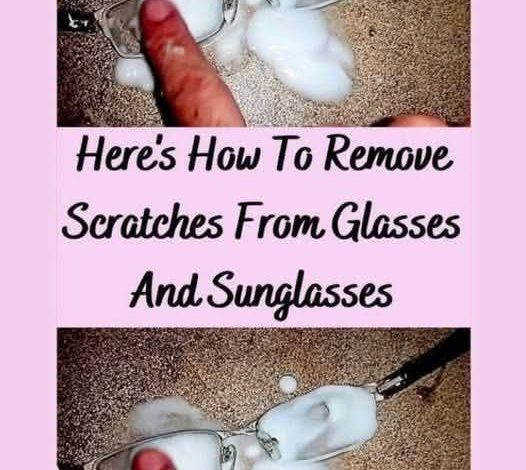
Toothpaste can also act as a mild abrasive. Use extreme caution:
Steps:
- Choose plain, white, non-gel toothpaste. Avoid whitening or tartar-control formulas.
- Apply a tiny amount (¼ pea-size) to a damp cloth.
- Rub gently over the scratch for no more than 10 seconds.
- Rinse thoroughly.
3. Filling Scratches with Wax 🚗
High-quality car wax or specialized lens wax kits don’t remove scratches, but they fill them so light passes through more smoothly.
Steps:
- Clean the lenses thoroughly.
- Apply a small amount of wax (less than 1/8 tsp) with a soft cloth.
- Buff lightly and remove excess until the lens looks clear.
Note: This is temporary and may smudge anti-glare coatings. Best for sunglasses or older lenses.
4. Avoid Metal Polishes ❌
Some online guides suggest metal polishes like Brasso. Avoid this! They are far too strong and can permanently damage lenses, causing fogginess or etching.
5. Prevention and Care 🛡️
Since repairing lenses fully is often impossible, preventing scratches is key:
- Use a Hard Case: Always store glasses in a protective case.
- Clean Properly: Use lens spray and a microfiber cloth. Avoid paper towels, napkins, or clothing.
- Lenses Up: Place frames on surfaces with lenses facing up.
- Upgrades: Consider premium scratch-resistant coatings for new lenses.
When to Replace Your Lenses
If scratches are in your line of sight or cause headaches, visit your eye doctor. Clear vision is worth the investment. Many vision plans allow lens replacements every year or two—check your benefits.
Final Thought
Glasses help you see the world clearly. Minor fixes like baking soda may help with old or spare pairs, but for deep scratches on your main lenses, replacement is safest. Protect your eyes and keep your vision sharp.
