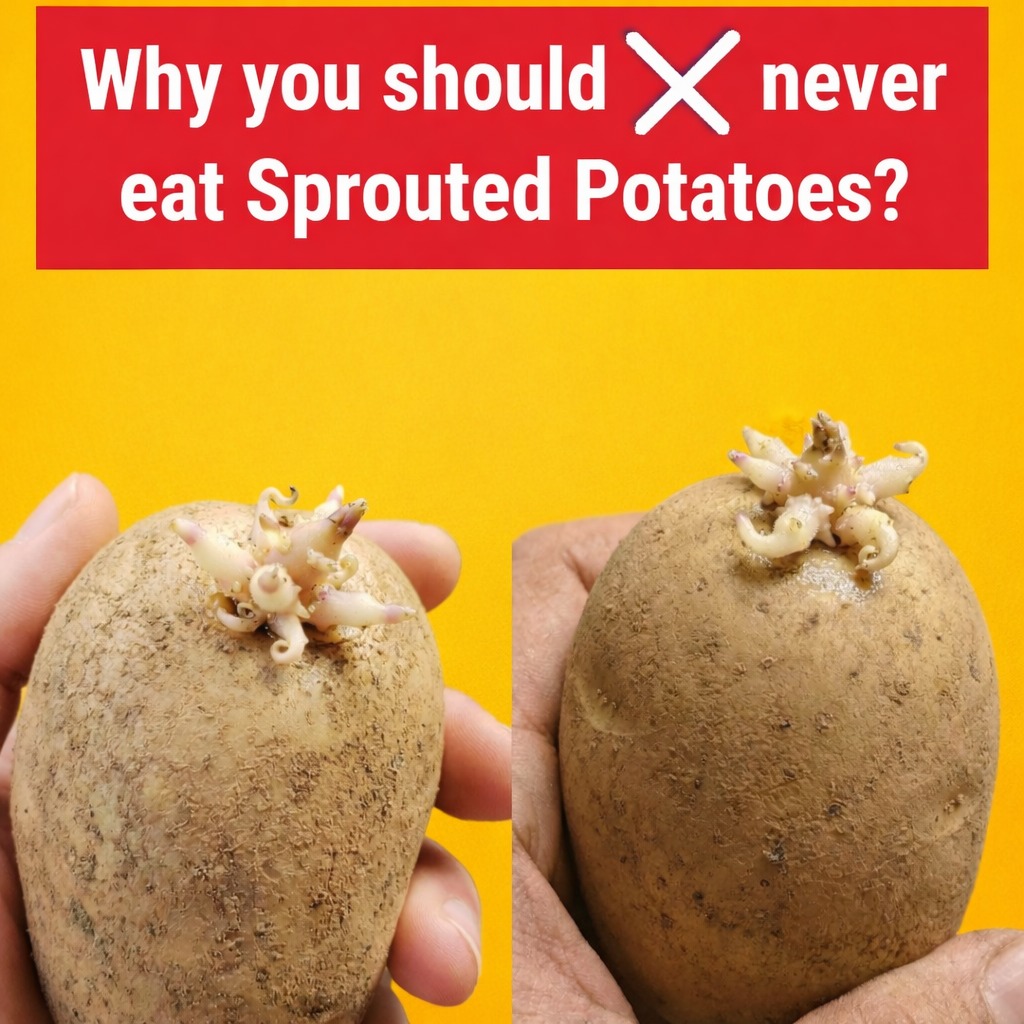
I was rummaging through my pantry, pretending to look for a forgotten box of pasta while quietly avoiding my chores, when I noticed a bag of potatoes pushed to the back. At first, they seemed ordinary. Then I saw it—long, pale sprouts curling out of their skins like tiny fingers reaching for light. Surprise quickly turned into concern. Were these potatoes still usable, or had I stumbled onto something better left alone? That small moment sparked a deeper realization about how food quietly changes with time.
Potatoes sprout when they’re stored too long or kept in warm, bright conditions. As this happens, they produce natural compounds called glycoalkaloids, including solanine and chaconine.
Continue reading…
