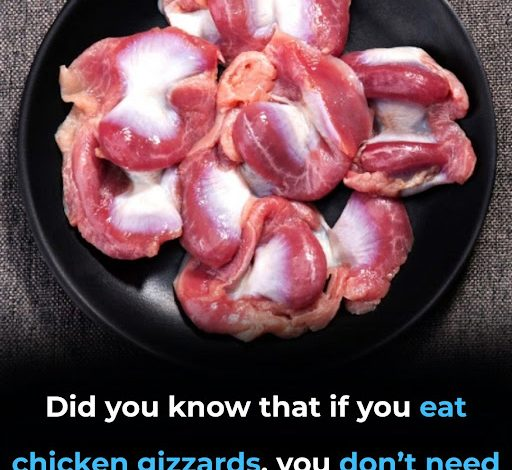
Often overlooked as “offal,” chicken gizzards are actually a nutritional powerhouse—affordable, protein-packed, and sustainable. Once a staple of nose-to-tail cooking, they’re enjoying a comeback—not just for their rich, savory flavor, but for their impressive health benefits.
If you’ve never cooked them, you’re missing out on a lean, iron-rich ingredient celebrated in cuisines from the American South to Asia, Africa, and Latin America.
🩺 Why You Should Try Chicken Gizzards
1. Protein Powerhouse
- 22g of complete protein per 100g serving—similar to chicken breast.
- Contains all 9 essential amino acids for muscle repair, satiety, and metabolism.
2. Iron-Rich
- 4.5–6 mg per serving (25–33% of daily needs).
- Mostly heme iron, which your body absorbs better than plant-based sources.
- Helpful for preventing or managing anemia.
3. Packed with B Vitamins
- Over 100% of your daily B12 in one serving—supports brain, nerves, and red blood cells.
- Also high in niacin (B3) and riboflavin (B2) for energy and healthy skin.
4. Selenium & Zinc
- Selenium supports thyroid function and immunity.
- Zinc helps with wound healing, immune health, and taste/smell sensitivity.
5. Lean & Low-Calorie
- About 150 calories and only 3g fat per 100g (mostly unsaturated).
- Leaner than dark meat and cheaper than chicken breast.
6. Sustainable & Budget-Friendly
- Encourages nose-to-tail cooking and reduces food waste.
- Often available for under $3/lb at ethnic markets and butcher shops.
🍳 How to Cook Gizzards (Tender, Not Tough)
The key is low, slow, moist heat—gizzards are a working muscle and need time to soften.
- Clean & Trim: Rinse and remove any lining or silverskin.
- Simmer: Cover with water or broth; add bay leaf, garlic, and onion.
- Stovetop: 1.5–2 hours until fork-tender
- Pressure Cooker: 25–30 minutes on high
Ways to Enjoy:
Continue reading…
