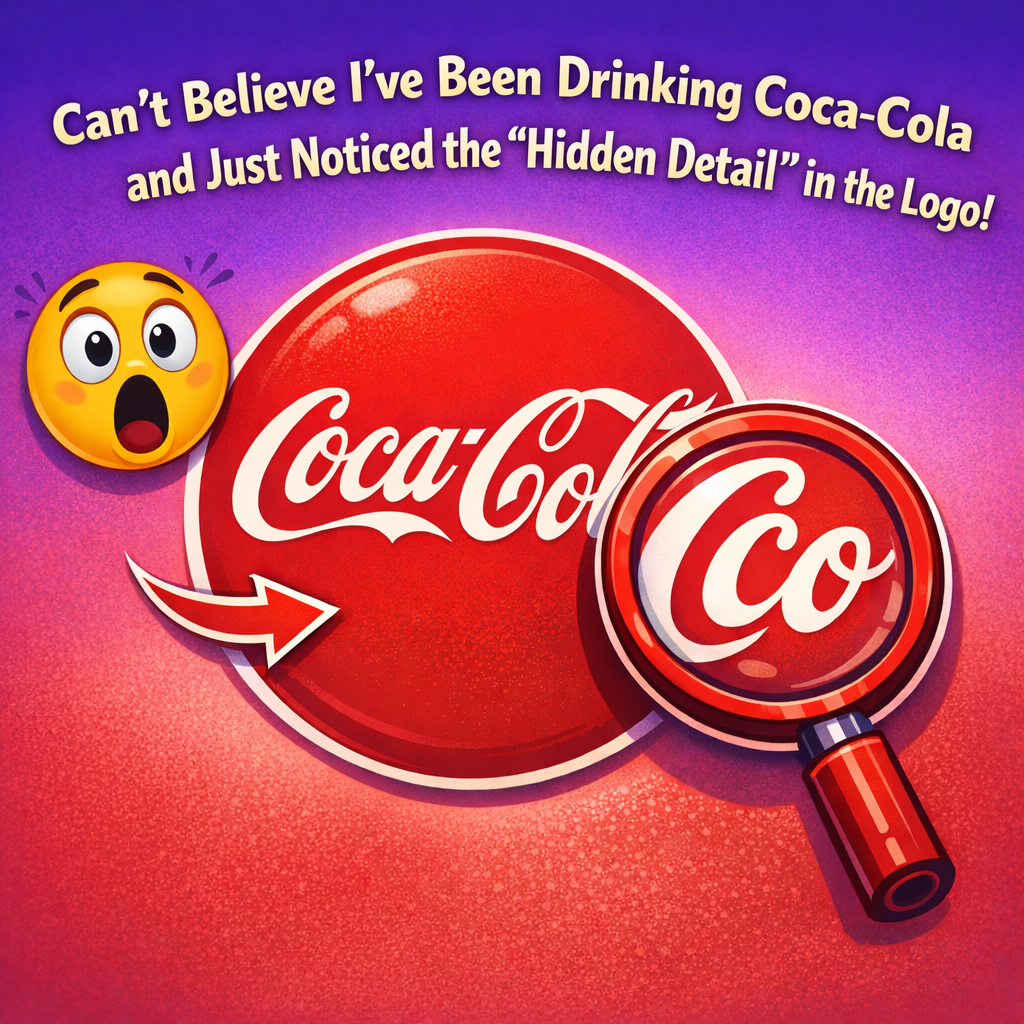
People Are Noticing an Interesting Detail in the Coca-Cola Logo

The real origin of the logo, however, is far more straightforward. The iconic script was created in the late 1800s by Frank Mason Robinson, the bookkeeper for the company’s founder. He wrote the name using Spencerian script, a popular handwriting style of that time often used in formal business writing. The flowing curves weren’t designed to hide a message; they were chosen because they looked elegant, memorable, and distinctive.

Historical records offer no evidence of a secret symbol or emotional intention behind the design. The curves simply reflected the writing style of the era. Still, modern viewers continue to notice the smile-like shape, proving how powerful interpretation can be when design meets emotion.

Experts in perception explain that this reaction is completely natural. Human brains are wired to recognize faces and expressions, even where none were intentionally placed. When people already connect a brand with good feelings, they’re more likely to see warmth and friendliness in its visuals. Years of joyful advertising have shaped how audiences experience the logo.

This ongoing reinterpretation shows how branding evolves over time. What began as a practical design more than a century ago has gained emotional meaning through shared memories. Whether the curve was meant to be a smile or not, the fact that people see one today proves that logos live on in perception, growing alongside the people who love them.

Leave a Comment