| Method | How To Do It | Best For |
|---|---|---|
| Toasting | Slice and toast to desired crispness | Sandwiches, avocado toast |
| Oven Refresh | Sprinkle water on loaf, wrap in foil, bake 180°C (350°F) 10–15 min | Softening entire loaves |
| Microwave Steam | Wrap slice in damp paper towel, microwave 10–15 sec | Quick softening (eat immediately) |
| Slice & Freeze | Cut into slices before it gets too hard, freeze | Long-term storage |
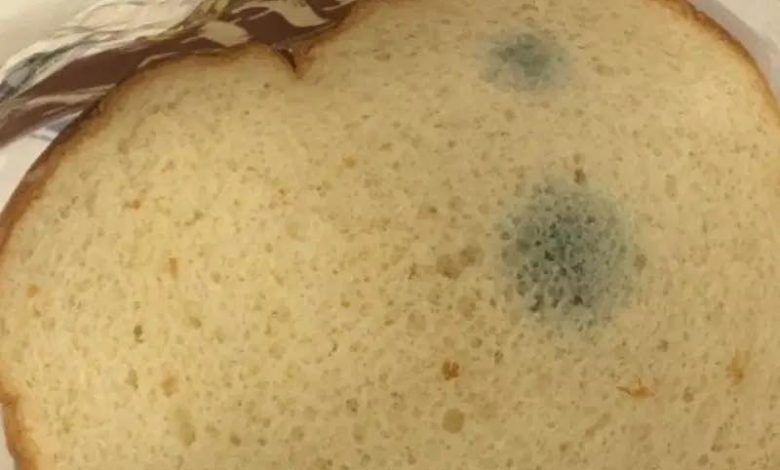
When to Toss It (Signs of Spoilage)
Safety first—when in doubt, throw it out.
Toss bread immediately if you notice:
- Fuzzy spots: White, green, or black mold (roots can penetrate deep)
- Musty or sour smells: Signs of bacterial growth
- Slimy texture: Damp or slippery
- Dark specks: Early mold colonies
Why Slightly Stale Bread Is Better for Cooking
That dry texture is a kitchen superpower because it soaks up liquids without falling apart:
- French Toast: Absorbs egg-milk mixture while staying firm
- Bread Pudding: Holds shape in custard
- Stuffing: Soaks up broth and herbs without getting mushy
- Croutons: Cubes crisp up perfectly in the oven
- Panade: Keeps meatloaf moist when soaked
How to Prevent Waste: Smart Storage
Keep your bread fresh longer with these tips:
- Room Temperature: Bread box or paper bag for 3–5 days
- Freezer: Best for up to 3 months
- Avoid the Fridge: Cold accelerates staling due to starch reactions
- Avoid Plastic on Counter: Traps moisture, promotes mold
Final Thought: Great Cooking Starts With Not Wasting Food
You don’t always need the freshest ingredients to create something amazing. Often, all it takes is:
“A stale loaf, a little creativity, and the courage to say: ‘I’m not throwing this away.’”
Resourcefulness is a beautiful skill. When you serve golden croutons or warm bread pudding, you’re not just making dinner—you’re transforming ordinary bread into something extraordinary.
