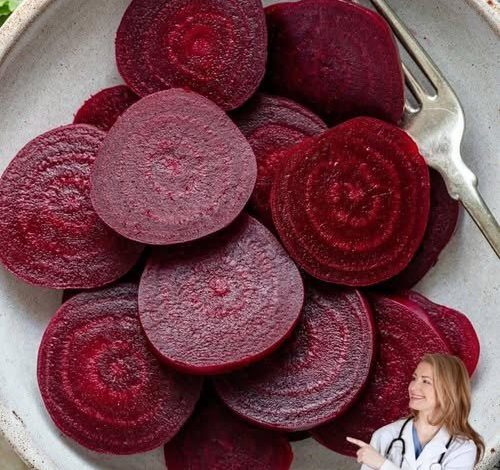
How it works: Increased nitric oxide boosts blood flow to the frontal lobe, which plays a role in memory and decision-making.
What research shows: Older adults who drank beet juice displayed brain activity patterns more similar to younger adults during cognitive tasks.
✅ Helpful for: Aging adults and students facing heavy mental demands.
4. Fights Inflammation and Oxidative Stress
How it works: Betalains—the pigments responsible for beets’ deep red color—act as powerful antioxidants.
What research shows: Betalains may reduce markers of chronic inflammation linked to conditions such as heart disease, arthritis, and cancer.
✅ Note: Raw, roasted, or juiced beets retain the most betalains; heavy cooking reduces them.
5. Improves Digestion and Gut Health
6. Supports Natural Detox Processes
How it works: Betalains stimulate liver enzymes that help process and remove toxins.
What research shows: Animal studies suggest improved liver function, though human research is still developing.
✅ Reality check: Beets support your body’s built-in detox systems—no cleanse required.
7. Supplies Key Nutrients
- Folate (B9): 37% of daily needs — vital for cell growth and pregnancy
- Manganese: 22% — supports bone health and metabolism
- Potassium: 11% — helps regulate fluids and nerve signals
- Iron: 6% — supports oxygen transport in the blood
⚠️ What Beets Don’t Do
| Claim | Reality |
|---|---|
| “Beets cure cancer” | No. Lab studies show potential benefits, but no human evidence of a cure. |
| “Beet juice burns fat” | Beets are low-calorie, but juice lacks fiber and may raise blood sugar. Whole beets are better. |
| “Beets flush your kidneys” | They support kidney health but don’t eliminate toxins directly. |
| “Beets guarantee glowing skin” | Skin health depends on overall nutrition, sleep, and hydration—not one food. |
🚨 Important Things to Know
- Beeturia: Up to 14% of people notice pink or red urine or stool—harmless but surprising.
- Kidney stones: Beets are high in oxalates; moderation is key if you’re prone to stones.
- Low blood pressure: If you already have hypotension, check with a doctor before regular beet juice.
- Medication interactions: Beets may amplify the effects of blood pressure meds or PDE5 inhibitors.
💡 Best Ways to Eat Beets
- Raw: Grated into salads or blended into smoothies (highest nitrate levels).
- Roasted: Toss with olive oil, salt, and herbs; roast at 400°F for 35–45 minutes.
- Juiced: Combine with apple, ginger, and lemon for better flavor balance.
- Pickled: Adds probiotics—watch the sodium.
- Soups: Traditional borscht delivers both flavor and nutrients.
🌱 Pro tip: Pair beets with vitamin C (like lemon juice or bell peppers) to enhance nitrate absorption.
❤️ Final Takeaway: Simple Root, Serious Benefits
Beets aren’t a miracle food—but they are one of nature’s most efficient health boosters. You don’t need powders or daily juice shots. Just roast them for salads, blend them into dips, or enjoy them as crunchy chips.
Your heart, brain, and muscles benefit quietly—but consistently.
True wellness isn’t about chasing superfoods.
It’s about eating real food, regularly, and well.
