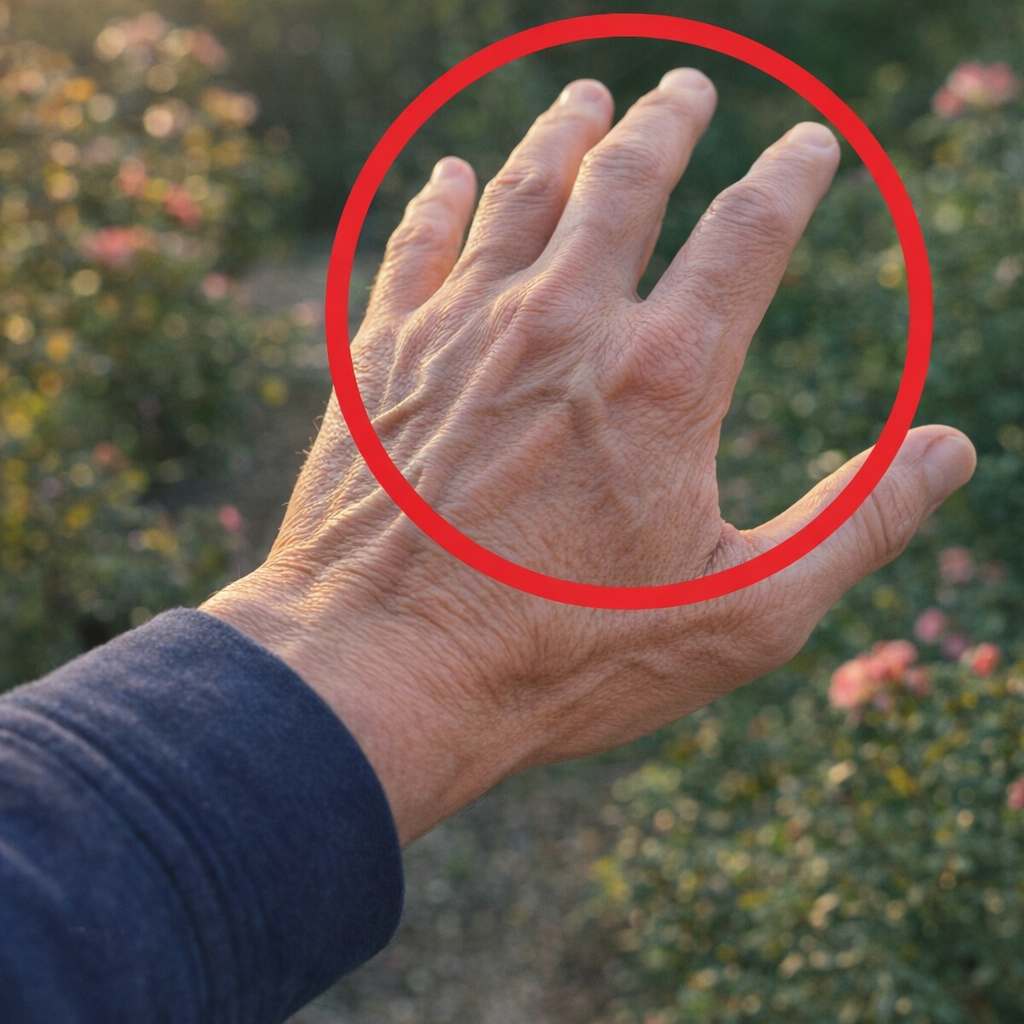
What Changes in Your Hand Veins Could Mean for Your Overall Health

Several everyday factors can make hand veins more noticeable. As people age, skin naturally becomes thinner and loses collagen, making veins easier to see. People with lower body fat may also have more visible veins because there is less tissue covering them. Genetics, exercise, warm weather, and mild dehydration can also temporarily increase vein visibility. These variations are normal and are not considered signs of illness on their own.

Kidney disease affects the body differently. The kidneys help filter waste, control fluid balance, regulate blood pressure, and maintain healthy minerals in the bloodstream. When kidney function declines, symptoms usually include swelling in the hands, feet, or around the eyes, fatigue, nausea, high blood pressure, or foamy urine. When fluid builds up in the body due to kidney problems, veins often become less visible rather than more prominent.

There are a few medical situations where veins and kidney treatment connect. Some patients with advanced kidney failure need dialysis, which sometimes requires creating an arteriovenous fistula in the arm. This procedure intentionally enlarges a vein for medical treatment, making it appear thicker or more raised, but this is not a natural disease symptom.

If kidney health is a concern, the best approach is medical testing such as blood work, urine analysis, and blood pressure checks. Visible hand veins alone are usually harmless and simply part of normal body variation.

Leave a Comment