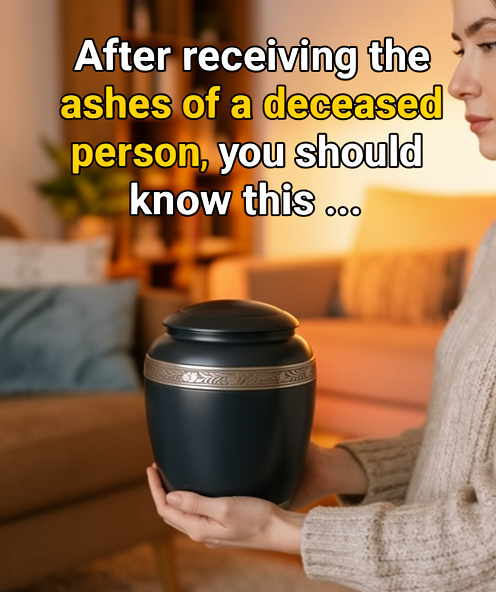
What to Consider When Choosing to Keep a Loved One’s Ashes at Home
Different traditions offer their own guidance. Spiritist beliefs often suggest that keeping ashes too close may slow emotional healing, encouraging families to return the remains to nature or a dedicated resting place. Christianity has become more accepting of cremation, but continues to emphasize respect for the body.
The Catholic Church allows cremation but recommends ashes be placed in consecrated grounds rather than kept indefinitely at home. Many Protestant communities are flexible, though the message of reverence remains.
Practical considerations matter too. Some choose decorative urns or keepsake jewelry; others share ashes among family. Planning for the future and understanding local regulations can make the decision easier. Ultimately, the true tribute isn’t where the ashes rest—but how we carry love forward with respect, remembrance, and peace for both the living and the departed.
