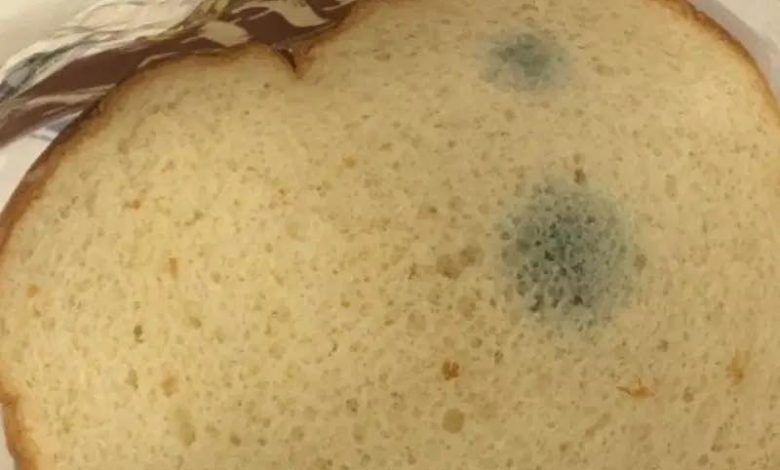
We’ve all had that moment of doubt. You reach into the bread bag, feel a very firm loaf, and notice the crust is hard to chew. The first question that pops into your head is:
“Is this still good… or should I toss it?”
By understanding the difference between staleness and spoilage, you can stop throwing away perfectly good food and turn a hard baguette into a family favorite.
What Is Staling? (Hint: It’s Not Mold)
Staling is a natural chemical process. Moisture leaves the bread, and the starches harden, making it dry and less enjoyable straight from the bag.
Signs it’s stale but safe:
- No mold
- No off smell
- No slimy texture
If it’s just dry, it’s 100% safe to eat. In fact, professional chefs often use stale bread intentionally!
When It’s Safe to Eat (And How to Revive It)
If your bread is hard and dry but smells normal (like flour or yeast) and shows no spots, it’s just stale. Here’s how to refresh it:
Continue reading…
